
You’ve set up your payment system. Your PCI compliance is sorted. The guest is ready to book. They enter their card details, hit “Pay”… and nothing happens.
Or worse: the payment fails, the guest gets frustrated, and you spend 20 minutes troubleshooting over WhatsApp.
Often, the issue isn’t the card or your system. It’s a security step called 3D Secure that didn’t complete. Let’s unpack what it is, why it protects you, and how to help guests get through it without drama.
What is 3D Secure?
Think of 3D Secure as the digital version of showing your ID at a bank counter. It’s an extra approval step where the guest proves to their bank that they’re the real cardholder.
Here’s what happens:
- Guest enters card details on your payment page.
- Their bank asks them to confirm the payment.
- They approve it via a banking app notification, SMS code, or fingerprint.
- Payment goes through.
The whole thing takes 10–30 seconds when it works smoothly.
The name? “3D Secure” stands for “Three-Domain Secure” — the three domains being the card issuer (the bank), the merchant (you), and the payment network (Visa, Mastercard, etc.). You don’t need to remember that. Just know it’s the step that says: “Is this really you?”
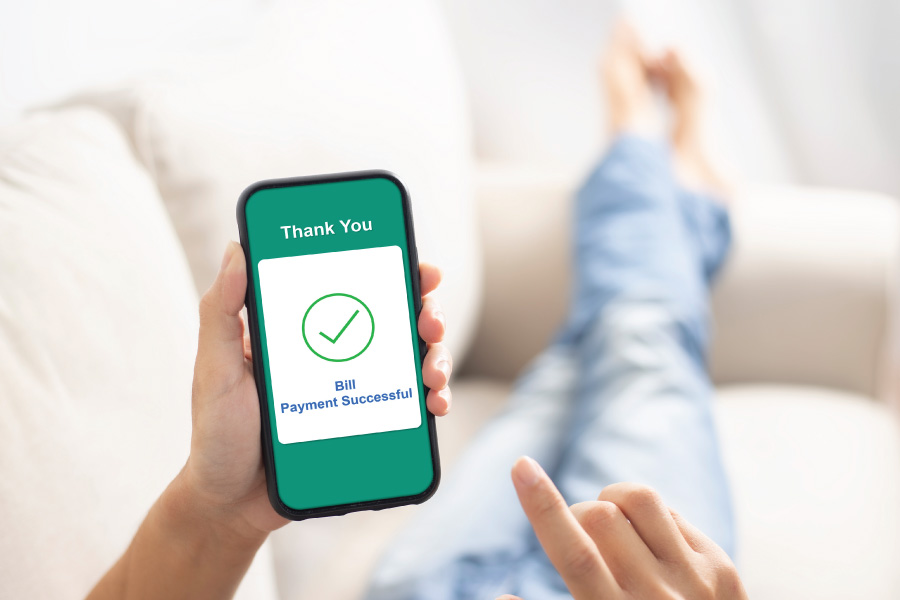
Why 3D Secure is your best friend (even when it feels like a nuisance).
Guests sometimes find the extra step annoying. But for you, it’s a shield.
1. Prevent the “I didn’t make that booking” dispute.
When a guest completes 3D Secure, they’ve confirmed the payment with their bank. That makes it much harder for them to claim later that the transaction was fraudulent or unauthorised.
Result: fewer chargebacks and disputes.
2. The liability shift (this is the big one).
Here’s the technical win: when a payment is verified with 3D Secure, the liability for fraud shifts from you to the bank. If someone uses a stolen card and completes 3D Secure, the bank carries the risk, not you.
Without 3D Secure, you’re on the hook if a fraudulent payment slips through.
3. International guests trust you more.
Overseas travellers are used to 3D Secure. When your payment system supports it, they see you as professional and secure. It builds confidence, especially for first-time bookers.
4. Higher-value bookings get extra protection.
Banks often require 3D Secure for larger transactions or bookings from unfamiliar locations. If you’re taking deposits for a week-long stay or a group booking, this step helps the payment go through cleanly.
What the guest experiences (so your team can explain it confidently).
Most guests sail through 3D Secure without noticing. But when someone asks, “What’s this extra screen?”, here’s what to tell them.
Common flows:
- Banking app notification: A push alert appears on their phone: “Approve this payment?”
- SMS one-time password (OTP): They receive a code by text and enter it on the payment screen.
- Biometric approval: Fingerprint or face recognition in their banking app.
- Redirect to bank page: They’re taken to their bank’s verification screen, approve the payment, then return to your booking confirmation.
Reassurance line for guests:
“Your bank is just checking it’s really you. You don’t share any extra card details with us. Once you approve it, the payment completes.”
When 3D Secure fails: common reasons and what to do next.
This is where owners get stuck. The guest says, “It didn’t work,” and you’re left guessing.
Here are the usual culprits — and what to tell the guest to try.
Common causes:
- Guest closed the verification screen too soon. They thought it was an ad or didn’t realise they needed to wait.
- OTP SMS arrived late or went to a different number. Roaming delays or an old number on file with the bank.
- Banking app not installed or not set up for that card. Some guests have the app but haven’t linked that specific card.
- Poor signal or WiFi blocking redirects. Hotel or public WiFi sometimes blocks the bank’s verification page.
- Bank flagged it as unusual spending. Travellers booking from a new location or device can trigger fraud alerts.
What to tell the guest to try:
Keep it calm and helpful. Here’s an idea of what to say:
“Thanks for letting us know. This usually happens when the bank’s security check doesn’t complete. Here’s what to try:
- Retry the payment and stay on the approval screen until it finishes.
- Switch to mobile data instead of WiFi.
- Use a different browser (Chrome works well for most people).
- Check your banking app is installed and up to date.
- Contact your bank quickly to allow the transaction (most have in-app chat or a fraud hotline).
- Try a different card if you have one.
Let us know how it goes. We’re here to help.”
What you should never do (PCI and guest safety).
3D Secure protects the guest. But only if you handle it correctly.
Never:
- Ask guests to send card numbers on email or WhatsApp.
- Accept photos of cards.
- Store card details in a spreadsheet or booking notes.
- Ask for the OTP code. Ever. That code is between the guest and their bank.
Position it as: safer for the guest, safer for your property.
How to set expectations before the guest pays.
A little heads-up goes a long way. Add a short line near payment links and in deposit reminders:
Example 1 (payment link message):
“Keep your phone nearby. Your bank may ask you to approve this payment for security (3D Secure).”
Example 2 (on your booking confirmation email):
“When you pay your deposit, your bank might ask you to confirm the payment using 3D Secure. This takes a few seconds and keeps your card safe.”
Example 3 (on your website payment page):
“For your security, your bank may ask you to approve this card payment. Stay on the screen until it completes.”
NightsBridge Pay and 3D Secure: how we make it easier.
At NightsBridge, we’ve built 3D Secure into our payment system so you don’t have to think about it.
Here’s what happens automatically:
- Guests are guided through the verification step with clear instructions.
- If a payment fails, the system flags it so you can follow up quickly.
- You never see or store card details, keeping you PCI-compliant by design.
- Virtual card payments from OTAs are processed with the same security checks, so you’re protected across all booking channels.
The result? Fewer failed payments. Fewer disputes. More time for you to focus on guests, not payment admin.
Want to see how it works? Chat to us about NightsBridge Pay.
FAQ: 3D Secure for accommodation owners
Is 3D Secure a scam?
No. It’s a legitimate security measure created by Visa and Mastercard. If a guest is unsure, they can contact their bank to confirm.
Why did my guest’s payment fail if they have money in their account?
3D Secure failures are usually about verification, not funds. The guest might have missed the approval step, had poor signal, or their bank flagged the transaction as unusual.
Do guests need to do 3D Secure for every payment?
Not always. Banks decide when to require it based on transaction size, location, and risk. Larger bookings and international payments are more likely to trigger it.
Can guests pay without 3D Secure?
Some banks allow it for low-value transactions, but most require it for online card-not-present payments. You can’t turn it off — it’s controlled by the guest’s bank.
Will the guest be charged twice if they try again?
No. If the payment fails at the 3D Secure step, the transaction doesn’t complete and no charge goes through.
What if the guest doesn’t get the SMS code?
They should check their banking app first (many banks use app notifications instead of SMS now). If still stuck, they need to contact their bank to update their contact details or allow the transaction.
Final thoughts: 3D Secure is part of modern payments.
It might add a step, but it’s a step that protects you and your guests. Fewer disputes. Less fraud. More confidence on both sides.
Set expectations early. Give guests a simple script when things go wrong. Let your payment system handle the tech.
You’ve got rooms to prepare and guests to welcome. Let 3D Secure do the heavy lifting on payment security.
Read next:
- Virtual card payments — how to handle payments from online travel agents (OTAs) safely and on time.